
Inheriting a house can feel like a gift and a burden at the same time. One day you’re grieving the loss of someone you loved, and the next you’re fielding calls about unpaid utility bills, a leaking roof, or a neighbor who’s noticed the grass hasn’t been cut in weeks. If you’ve recently found yourself asking how do I sell an inherited house in Reading, PA, you’re not alone — and you’re not as stuck as you might feel right now. This guide is written to walk you through your real options, in plain language, so you can make a decision that actually makes sense for your family.
First Things First: Understand What You Actually Own
Before you can sell anything, you need to know where the property stands legally. Inherited properties in Pennsylvania typically pass through probate — a court-supervised process that confirms the validity of a will and gives the executor authority to manage the estate’s assets. If there was no will, the property transfers through intestate succession laws.
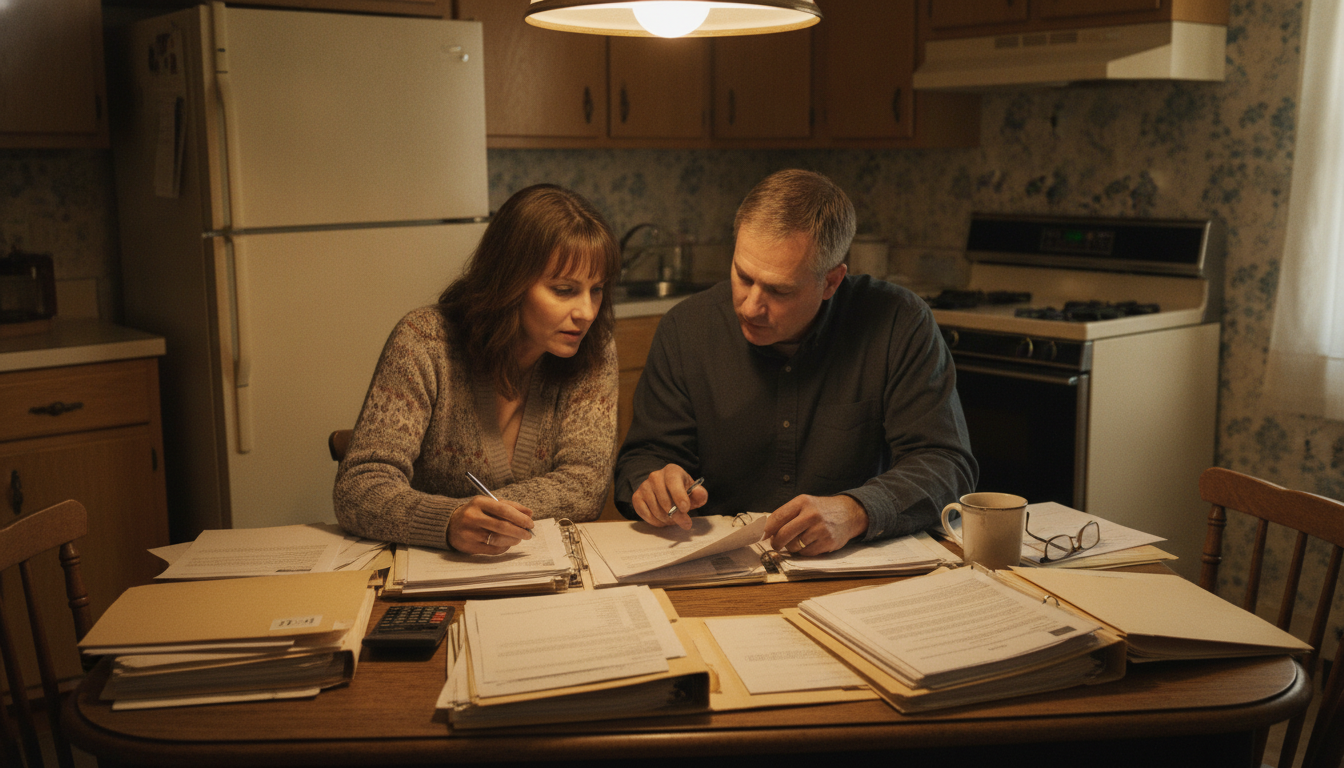
Either way, here’s what you’ll want to get sorted before listing or selling:
- Confirm the property has gone through probate or is actively in that process
- Identify whether you are the sole heir or one of several
- Check for any outstanding mortgages, liens, or back taxes on the property
- Obtain a copy of the death certificate and the Letters Testamentary (the document proving your executor authority)
- Contact the Berks County Register of Wills office if you’re unsure about the status of the estate
This part can feel overwhelming, especially while you’re grieving. But getting clarity on ownership is the foundation for every decision that follows. If you’re not sure where to start, an estate attorney familiar with Berks County can be a big help.
What Condition Is the House In? This Changes Everything
Here’s something that comes up constantly when families ask how do I sell an inherited house in Reading, PA: the condition of the property shapes which selling path actually makes sense.
Older Reading homes — particularly those built before 1978 — often come with issues that aren’t immediately visible. Lead paint is common in the housing stock across Berks County neighborhoods, and it’s something any buyer’s inspector will flag. Beyond that, you might be dealing with outdated electrical panels, plumbing that hasn’t been touched since the 1970s, a roof past its useful life, or structural concerns from deferred maintenance.
Luis Vanderhorst, who founded Restorative Housing Solutions after restoring his first property in Wyomissing, puts it simply: “Most inherited houses we see haven’t had anyone living in them for months, sometimes longer. Vacant homes deteriorate faster than people expect.”
That’s worth keeping in mind. The longer a property sits without regular maintenance — heating in winter, pest control, basic upkeep — the more expensive those repair bills become. Knowing the condition of the house early gives you options. Waiting can reduce them.
Your Three Main Selling Options (and the Real Trade-offs of Each)
Option 1: List It on the Traditional Market
Working with a real estate agent and listing on the MLS can get you the highest sale price — in the right circumstances. That typically means the house is in decent shape, you have time to wait for the right buyer, and you can afford to handle repairs or at least make cosmetic updates.
For inherited properties in Reading that need significant work, traditional listing can be a long, expensive road. Buyers asking for inspection contingencies, repair credits, and price reductions after appraisals can turn what looked like a solid offer into months of back-and-forth.
Option 2: Sell As-Is to a Cash Buyer
If the property needs major repairs, or you simply want a faster, simpler close, selling as-is to a cash buyer is a path many families in Berks County choose. You skip the repair process, the open houses, and the drawn-out negotiations. In many cases, a cash sale can close in a matter of weeks rather than months.
This is the core of what Restorative Housing Solutions does. The team — which includes three licensed contractors and a bilingual English/Spanish project coordinator — buys properties in their current condition. They’ve worked through more than 100 projects across Berks County, many of them inherited or distressed properties. Their approach isn’t to pressure anyone; it’s to give families real information so they can decide what’s best for their situation.
Option 3: Renovate and Then Sell
In some cases, putting money into a property before selling makes financial sense. If the house is structurally sound but just needs updates, a renovation can meaningfully increase the sale price. The challenge is managing the project — especially if you don’t live nearby or don’t have contractor relationships in the area.
Companies like Restorative Housing Solutions can sometimes help here too, either by doing the work themselves or connecting families with financing options through local credit unions and banks they already have relationships with.
Probate, Taxes, and the Paperwork Side of Things
Pennsylvania does not have an inheritance tax exemption between all family members — the rate depends on your relationship to the deceased. A surviving spouse pays nothing; children pay 4.5%; siblings pay 12%; and more distant relatives or non-relatives can pay up to 15%. This is worth factoring into your net proceeds when weighing your options.
Capital gains taxes are another consideration. When you inherit a property, you typically receive a “stepped-up” basis — meaning the taxable value resets to the fair market value at the time of the previous owner’s death, not what they originally paid. This can significantly reduce capital gains exposure if you sell relatively soon after inheriting. Talk with a tax professional about your specific situation before assuming one way or the other.
On the paperwork side, make sure you have clear title before proceeding. Title searches sometimes reveal surprises — unpaid contractor liens, judgments, or easements that weren’t on anyone’s radar. A local title company in Berks County can run this for you and help resolve any issues before they derail a sale.
What About Properties with Bigger Problems?
Some inherited homes come with serious complications — fire damage, severe water intrusion, code violations, or years of neglect. These aren’t deal-breakers, but they do narrow the field of buyers who can actually help.
Restorative Housing Solutions has handled situations exactly like this. Their team completed a turnaround on a fire-damaged four-unit building in Birdsboro in about five weeks — a project most buyers wouldn’t have touched. For families dealing with properties in similar shape, knowing there are experienced buyers who don’t walk away at the first sign of trouble matters a lot.
One question that comes up often: “Will my insurance cover any of this?” If there was a specific event — a fire, storm damage, a burst pipe — there may be a valid claim. The team at Restorative Housing Solutions regularly helps sellers navigate the insurance claims process directly, so you don’t have to figure that out alone.
A Word on the Emotional Side of Selling an Inherited House
There’s something that gets overlooked in most guides about selling inherited property: this isn’t just a transaction. It’s someone’s childhood home, or the place where holidays happened, or a house filled with decades of memories. Selling it — even when it makes complete sense financially — can feel like a loss on top of a loss.
Luis Vanderhorst, who spent six years teaching middle school Social Studies before moving into real estate full-time, brings a different energy to these conversations than you might expect from a typical investor. He and his wife Elizabeth co-run Restorative Housing Solutions with a genuine belief in what they call a win-win approach — the family gets relief and a fair resolution, and the community gets a restored home instead of a deteriorating one.
That philosophy runs through everything they do. Luis is active in the Berks County Latino real estate community, participates in local investor networks, and has built the kind of roots here that come from actually living and working in the region — not just seeing it as a market.
Whether a property is near the established neighborhoods around Mount Penn or anywhere else across Berks County, the goal is always the same: help families move forward without feeling like they got taken advantage of in a vulnerable moment.
So, How Do You Actually Start?
If you’ve been sitting with the question — how do I sell an inherited house in Reading, PA — here’s a simple starting point:
- Confirm probate status and executor authority with the Berks County Register of Wills
- Walk through the property and note any visible condition issues
- Get a sense of outstanding debts: mortgages, taxes, utility balances, liens
- Talk to a tax professional about inheritance tax and capital gains implications
- Explore your selling options — traditional listing, as-is cash sale, or renovate-then-sell — based on your timeline and the property’s condition
- Reach out to people who know Berks County real estate well and ask questions without any obligation to commit
That last step is easier than it sounds. A quick conversation with someone who handles inherited properties regularly in this area can cut through a lot of the noise and give you a clearer picture of what your options actually look like — not what they look like in theory.
Restorative Housing Solutions works with families across Reading and the broader Berks County area. If you have a property and aren’t sure what to do with it, a no-pressure conversation is a reasonable place to start. Call or text (610) 595-4111 or visit restorativehousing.com to learn more about how they work.
Still Have Questions?
If you’d like guidance specific to your situation, Restorative Housing Solutions, LLC is here to help.
Call or text: 610-595-4111